Finding My Own Place in Yoga: A Christian's Journey
Yoga is often misunderstood, both by those who practice it and by those who don't. We sat down with Judith Morley, a yoga teacher graduate from our 200-hour cohort, to talk about how her Christian faith has shaped her experience of yoga, why understanding history matters, and how she's discovered a practice that deepens rather than challenges her beliefs.
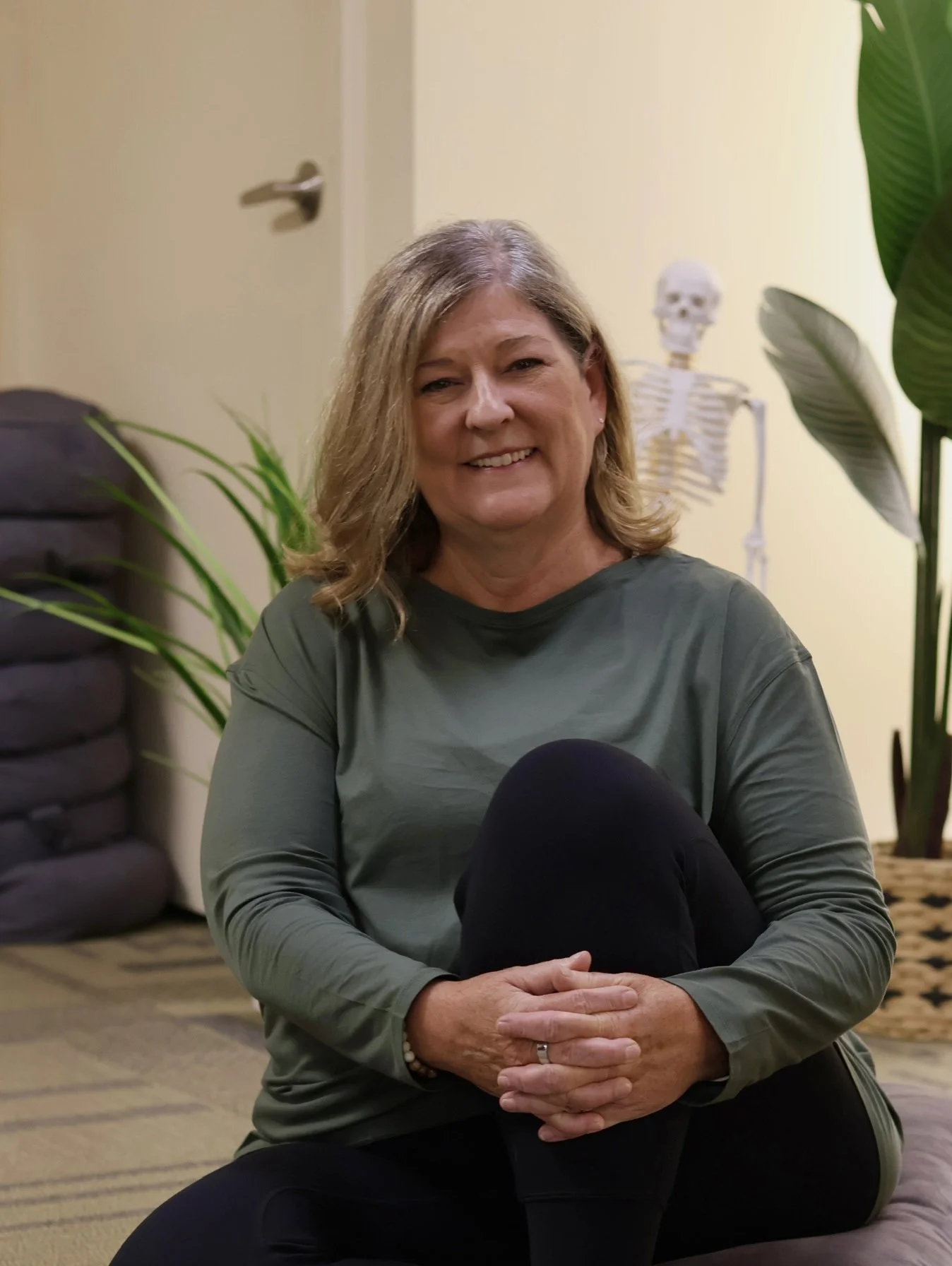
Judith Morley is a 200-hour therapeutic yoga teacher based in Kansas City, Missouri.
Q: You've spent over a decade practicing yoga. How has learning about yoga's history influenced your experience?
I think historical complexity can deepen one's relationship with any tradition. I've been practicing yoga for 12 years with multiple teachers and at various studios. Some have been deeply rooted in the history and spiritual aspects of yoga, while others have been much more fitness-focused. Many have been a combination of both.
As a Christian and someone who loves ancient history, I'm fascinated by the stories and mythology that have been passed down through time as part of the yoga tradition. I know there are Christians who believe yoga opens the door to beliefs that conflict with Christianity. I understand those concerns, but I see it differently.
For me, understanding how people throughout history sought peace and connection with God—whatever that looked like in their time and culture—is worthwhile. Learning about the historical development of yoga, including the influence that early Christians had on some philosophical traditions, actually strengthened my desire to continue exploring the practice and its origins.
Q: Has studying yoga history changed the way you see modern yoga?
Absolutely.
Learning more about yoga's history reminded me that, like every religion, philosophy, or worldview, yoga has people who can manipulate it for their own purposes.
Within Christian circles, there are people who believe Christians should never practice yoga because of New Age or non-Christian influences. On the other hand, there are people in the yoga world who think Christians are closed-minded or don't belong.
I don't think either extreme is helpful.
The key, in my experience, is finding your own place within the practice—finding a community that aligns with your values and taking the time to truly understand why you're practicing.
Q: What first drew you to yoga?
Honestly, I just wanted to try something new.
I'd spent years working with personal trainers and doing different kinds of workouts, but I'd never tried yoga. When I walked into my first studio, I connected with my teachers right away, and that connection kept growing over the years, even as studios closed and I found new places to practice.
Completing a yoga teacher training became something I simply wanted to accomplish for myself.
Because I'm a Christian, whenever yoga includes meditation, savasana, or moments of quiet reflection, those experiences naturally become prayer for me. My focus remains rooted in my faith.
At the same time, I believe learning about other religions and spiritual traditions actually deepens my own faith. That's the lens I bring into yoga. The physical practice supports my health, and through teacher training I've found that the physical, historical, and personal aspects of yoga have come into alignment for me.
Q: Beyond the physical practice, what keeps you coming back to yoga?
Yoga gives me something that's mine.
It's my practice, my time, and my community outside of my family. That space is important to me, and yoga fills that need in a meaningful way.
Q: After completing teacher training, how do you see your relationship with yoga evolving?
I'm still figuring that out.
What I do know is that I feel much more confident that this practice is right for me. I also feel better equipped to help others discover a version of yoga that resonates with them, rather than feeling like they have to practice it exactly the way someone else does.
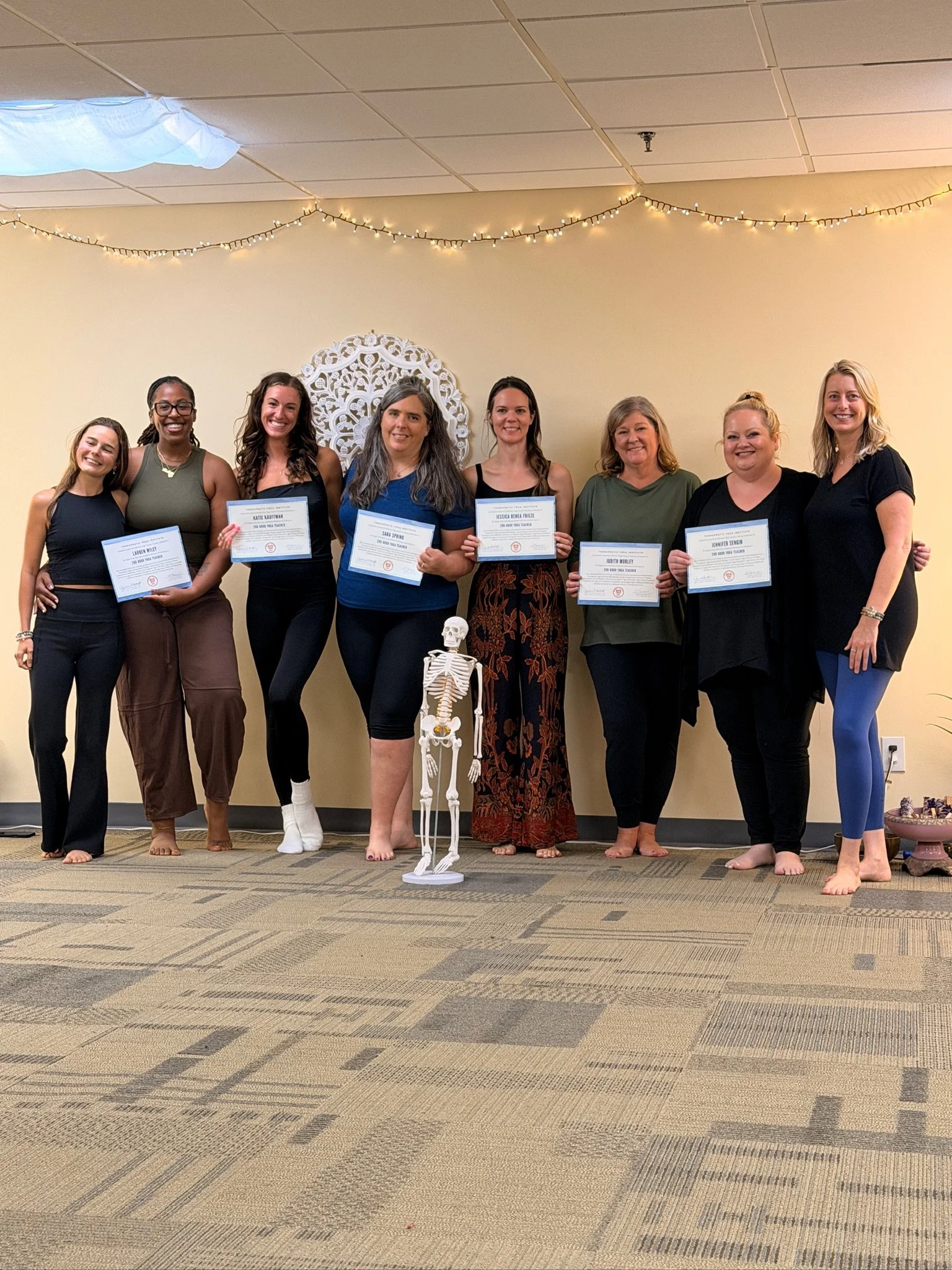
I don't know exactly what my next steps will be, but during teacher training I had the opportunity to teach a couple of classes—one completely spontaneous and another with very little notice. I genuinely enjoyed both experiences and realized I could be pretty good at teaching.
As I move toward retirement, having something meaningful to do—both personally and financially—is important to me. I think teaching yoga, in some capacity, will be part of that next chapter.
Q: What would you say to someone who shares your faith but feels hesitant about trying yoga?
I'd encourage them to approach it with curiosity rather than fear.
For me, yoga has never replaced my faith. It has simply become another way to care for my body, quiet my mind, and create space for prayer. Learning about the history and philosophy of yoga hasn't weakened my Christian beliefs—it has helped me better understand the ways people throughout history have searched for meaning and connection with God.
Ultimately, I believe each person has the opportunity to create a practice that aligns with their own values and convictions. Yoga doesn't have to look the same for everyone, and that's one of the things I appreciate most about it.